Principle of the Toluene Recovery Machine
A paint thinner recovery machine is an environmentally friendly device specifically designed to recover and purify waste paint thinners (banana water). By utilizing physical principles such as distillation, it converts contaminated solvent into clean, reusable solvent, thereby enabling resource recycling.
Working Principle
The paint thinner recovery machine primarily operates on the principles of distillation separation and cooling condensation.
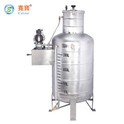
Heated distillation: Add used waste thinner into the recycling tank. The equipment heats the thinner (typically using electrically heated thermal oil) to its boiling point, converting it from liquid to vapor.
Cooling and condensation: The generated solvent vapor enters the cooling system (typically air-cooled) and re-liquifies into liquid form.
Collection and reuse: The purified liquid thinner flows into a collection container and can be reused for cleaning or dilution tasks.
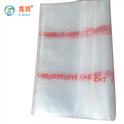
Residue Removal: Solid impurities such as paint and resin, along with non-volatile substances from the original waste liquid, remain in the distillation釜 as residue and need to be cleaned out.
Key Features and Advantages
Significant Economic Benefits: Recovery rates typically exceed 90%, substantially reducing the cost of purchasing new solvents. For example, with a daily waste volume of 100 liters, annual cost savings can exceed 210,000 yuan.
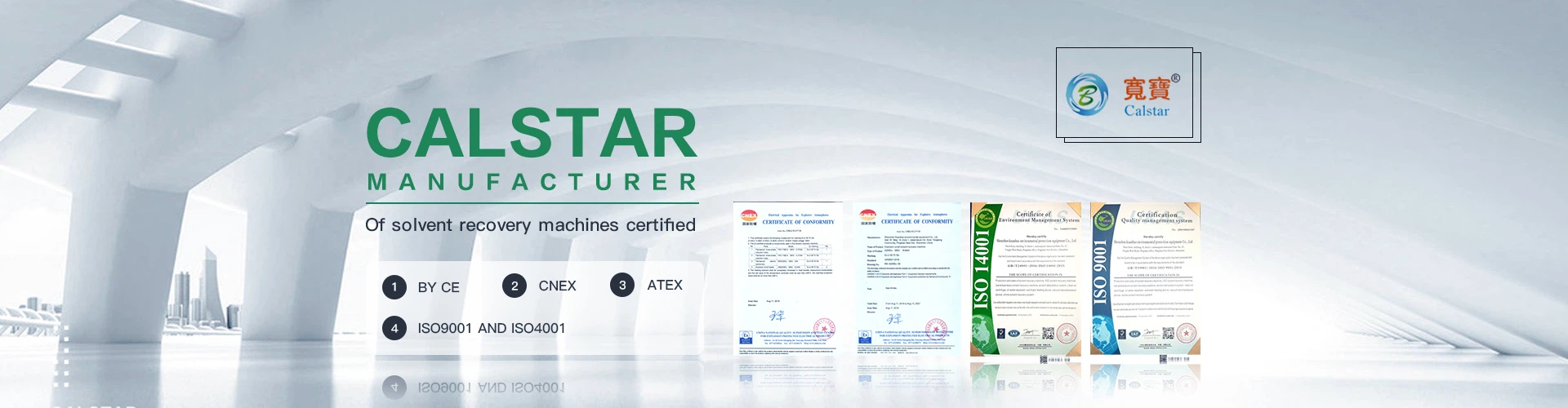
Strict safety and explosion-proof design: Since thinners are flammable and explosive organic solvents, all standard recycling machines adopt fully explosion-proof structural designs and have obtained national explosion-proof certifications (such as Ex d IIB T3/T4 or Ex d IIB T4).
Multiple intelligent protections: The device typically features multiple safety functions, including automatic shutdown at set temperature or time, over-temperature/over-pressure protection, and power outage protection.
Corrosion-resistant material: Components in contact with solvents (such as recovery tanks) are mostly made of SUS304 stainless steel, which offers excellent corrosion resistance.
Easy to operate: The equipment features a fully automatic PID digital control system with high automation, requiring no dedicated personnel for supervision.