In the lens cleaning industry, which is highly sensitive to both cleanliness and cost, the core value of using a solvent recovery machine lies in three key aspects: cost reduction, quality improvement, and compliance, with highly noticeable effects.
Significantly reduce procurement and processing costs: The cost advantage is the most direct. The recycling machine enables the repeated reuse of expensive solvents such as IPA and anhydrous ethanol, typically reducing the procurement volume of new solvents by 80%-95%. At the same time, it also substantially decreases the amount of hazardous waste requiring paid disposal, effectively saving money from both ends.
Ensuring wiping quality and product yield: The biggest concern in lens wiping is impure solvents. Modern recycling machines employ multi-stage distillation and membrane separation technologies, achieving a recovery purity of over 98%. Moreover, the equipment operates in a fully enclosed, dust-free environment, preventing external contaminants from mixing in and ensuring stable solvent quality, thus avoiding contamination of precision lenses.
Comply with environmental regulations and safeguard health: Traditional waste liquid disposal methods (such as incineration) often lead to excessive VOC emissions. The recycling machine reduces VOC emissions significantly through closed-loop processing, helping enterprises avoid environmental penalties. Additionally, the sealed system minimizes operators' exposure to hazardous solvent vapors, enhancing safety.
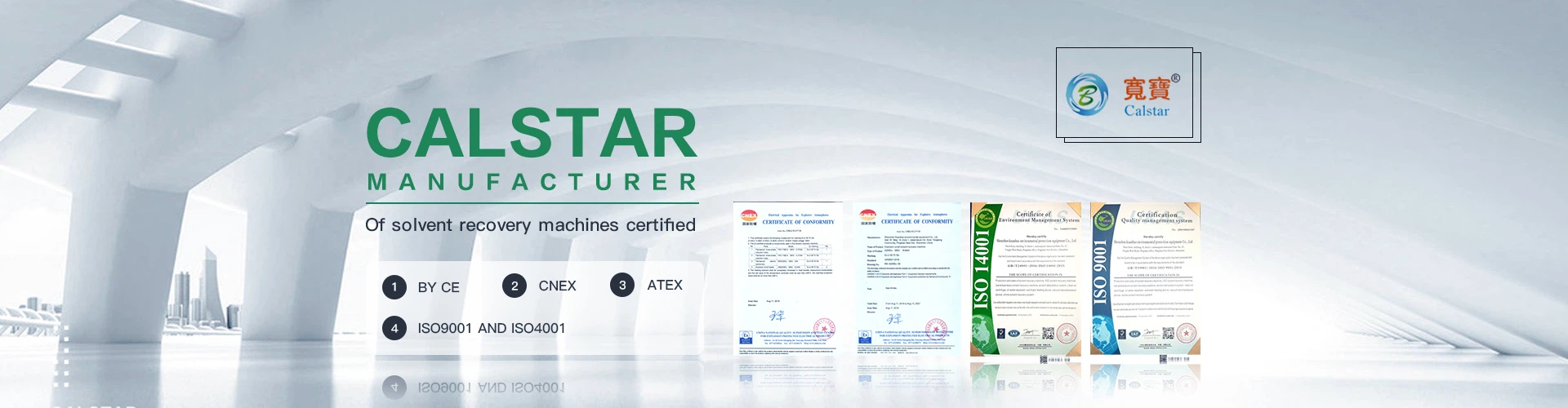
Enhancing operational efficiency and safety: The equipment is equipped with a PLC intelligent control system, featuring high automation levels, enabling "unmanned" operation. It also includes explosion-proof certification and multiple safety protections to ensure production safety.