Calstar Solvent Recycler Saves 80%+ Waste Costs
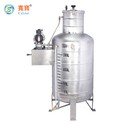
A prominent Shanghai-based electromechanical company has implemented Calstar fully automatic solvent recovery machines to reclaim waste solvents from its production processes. This strategic move delivers significant cost reductions and closed-loop recycling.
Manufacturing, precision machining, and coating processes generate large volumes of waste organic solvents. Traditional off-site disposal is costly, logistically complex, risky, and faces tightening environmental regulations.
Calstar 's machines provide the core advantages driving the company's success:
★ True Automation: One-touch operation minimizes labor and enhances safety.
★ High-Efficiency Distillation: Advanced condensation and heating systems ensure high recovery rates and solvent purity.
★ Comprehensive Safety: Multi-layer protection (dry-run prevention, over-temperature, over-pressure, pressure relief) eliminates risks.
★ Intelligent Control: PLC + touchscreen interface for real-time monitoring, data logging, and production management.
★ Broad Applicability: Handles common industrial solvents like cleaners, thinners, ink solvents reliably.
Implementation delivered immediate, quantifiable benefits:
★ Hazardous Waste Disposal Costs Slashed by >80% – Turning waste into value.
★ Reduced Raw Solvent Purchases: High-purity recovered solvent reused directly in production.
★ Enhanced Safety & Compliance: Dramatically lowered waste volumes, transport hazards, and carbon footprint.
★ Operational Ease: Positive operator feedback on simplicity and reliability.
Stated the company's operations manager. "Choosing Kumbao hasn't just cut costs drastically; it's significantly advanced our safety, sustainability, and ESG profile. It's a tangible asset we showcase to stakeholders."
Industry Impact: Calstar Empowers Sustainable Manufacturing Globally
◇ Metal Fabrication & Machining
◇ Industrial Coating & Painting
◇ Electronics Manufacturing & Cleaning
◇ Printing & Packaging
Automating solvent recovery is the proven path to cost control, waste reduction, and carbon footprint minimization.