Save money (the most straightforward)
• Wastewater from cleaning plates is directly treated as hazardous waste, requiring additional costs
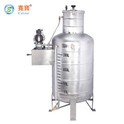
After distillation by the recycling machine, waste wash solution is transformed back into fresh wash solution
• Generally, 80% to 95% can be recycled, equivalent to purchasing 80% less new cleaning solution
• For factories with high usage, the investment can be recouped in just a few months
2. Environmental Compliance
• PCB cleaning solution is classified as hazardous waste, and improper discharge or disposal may result in fines
• The volume of hazardous waste after recycling has significantly decreased, ensuring safer environmental inspections
• Comply with the requirements of clean production and hazardous waste reduction
3. Stable quality
• The recycled cleaning solution has high purity
The cleaning effect is similar to the new one, with no impact on PCB and circuit board cleaning quality
• Avoid plate washing contamination, whitening, or residue caused by solvent deterioration
4. Reduce Costs and Inventory
• Reduce the procurement of new cleaning solutions to ease cash flow pressure
• Reduce hazardous waste disposal costs and save a significant amount annually
• Reduced warehouse storage capacity leads to lower safety risks
5. Applicable Scenarios
• PCB Circuit Board Factory
• SMT Assembly Factory
• Cleaning steel mesh and fixtures in the electronics factory
• Cleaning solution for printing and coating, diluent
Summary:
Treating cleaning water with a recycling machine = reducing the purchase of new solvents + lowering hazardous waste disposal fees + meeting environmental standards + ensuring stable quality.
The following is the client's on-site scenario