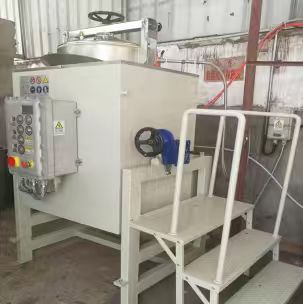
Core Advantages of Laboratory Precision Cleaning Solvent Recovery Machines
1. Significantly reduce the cost of laboratory consumables
1. Laboratory precision cleaning often employs high-purity IPA, anhydrous ethanol, acetone, hydrocarbon cleaning agents, and fluorinated solvents, which are costly and result in significant single-use consumption. With solvent recovery machines distilling and purifying the solvents, clean solvents can be recycled and reused repeatedly, directly reducing solvent procurement by 70% to 95%.
2. Reduce hazardous waste disposal costs: Waste cleaning solvents are classified as laboratory hazardous waste. Entrusting third-party disposal incurs high fees, while recycling significantly reduces the volume of waste liquid generated, substantially cutting costs for hazardous waste transportation and treatment.
II. Ensuring the Cleaning Quality of Precision Components (Core Laboratory Requirement)
Distillation separates oil stains, dust, photoresist residues, ionic impurities, and metal powders, recovering solvents with purity close to that of new solvents, leaving no impurity residue. Cleaning optical lenses, chips, metallographic samples, precision sensors, and laboratory glassware does not produce water marks, white spots, or particulate contamination.
2. The solvent concentration remains stable, preventing a decline in cleaning efficiency after multiple dilutions. Experimental data and sample cleanliness are uniform, eliminating experimental errors and detection failures caused by solvent contamination.
3. Compliance with Laboratory Safety Standards
1. The sealed distillation system operates in a fully enclosed manner, with minimal solvent evaporation, reducing laboratory VOC concentrations and minimizing the accumulation of flammable solvent vapors to eliminate fire and explosion hazards. It is compatible with explosion-proof models, meeting the explosion-proof requirements of physical chemistry and microelectronics laboratories.
2. Reduce direct human contact with organic solvents to minimize risks of inhalation, skin corrosion, and chemical poisoning, meeting occupational health management requirements for universities, research institutions, and testing laboratories.
IV. Enhancing Laboratory Operational Efficiency
1. Eliminate the need for frequent procurement and transportation of drummed solvents, reducing the workload for consumable requisition and warehousing management. Compact models can be placed beside cleaning stations for on-demand use and recycling, avoiding the need to stockpile large quantities of waste solvents.
2. Automatic residue collection minimizes solid waste, extends cleaning cycles, and reduces the time required for experimental personnel to handle waste liquids.