1. Significantly reduce the procurement cost of cleaning agents
Engine cleaning often uses banana oil, diesel, kerosene, hydrocarbon cleaning agents, and degreasing solvents. After a single cleaning session, the solvent mixes with engine oil, carbon deposits, and metal shavings, turning into waste dirty solvent. Discarding it directly is equivalent to continuously purchasing new solvent.
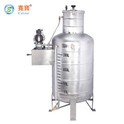
2. The recycling machine separates oil contaminants from pure solvents through distillation, allowing the dirty solvent to be reused repeatedly. The solvent recovery rate typically ranges from 75% to 95%, significantly reducing the need for new solvent purchases by over 70% in the long term.
3. For large-scale auto repair and engine overhaul shops, monthly savings of thousands in cleaning agent costs can be achieved, with equipment investment recouped in the short term.
2. Hazardous Waste Treatment Costs Decline Steadily, Ensuring Compliance with No Worries
Waste solvents containing engine oil and carbon deposits are classified as hazardous waste. Auto repair shops and engine cleaning workshops must engage qualified hazardous waste disposal companies for transportation, with extremely high disposal fees (charged by the barrel/kilogram).
2. After recycling, only a small amount of asphalt-like oil residue remains, reducing hazardous waste generation by 80% to 90%, while significantly lowering hazardous waste transportation frequency and disposal costs.
3. The environmental inspection focuses on verifying the waste solvent ledger and hazardous waste storage, reducing stockpiles of waste solvents to mitigate risks of fines for excessive storage or improper disposal of waste liquids.
3. Enhance cleaning effectiveness and stabilize cleaning quality
Repeated use of unrecycled dirty solvents increases oil contamination levels, significantly reducing the ability to clean engine sludge, piston carbon deposits, and oil passage stains. Inadequate cleaning requires secondary rinsing, resulting in additional solvent waste.
2. The purity of the solvent after distillation recovery is almost identical to that of new solvent, with stable degreasing and sludge dissolution capabilities. It can clean workpieces in a single pass, reducing cleaning time and improving rework efficiency.
3. Prevent dirty solvents from adhering to metal components of the engine, forming oil films and rust spots, thereby protecting parts and reducing after-sales rework.
4. Workshop Safety and Work Environment Improvement
1. Discarded solvents, if left to accumulate, are highly volatile and pose fire and explosion risks when exposed to open flames. The recovery machine employs sealed distillation, fully enclosing the solvent vapor for collection, thereby minimizing volatile odors in the workshop.
2. Reduce the stacking of large quantities of solvent drums to minimize flammable and explosive hazards in the workshop, ensuring compliance with automotive repair shop fire safety regulations.
3. Volatile waste gases are centrally condensed and recovered, eliminating pungent VOC odors, improving workers' operating environment, and reducing respiratory irritation.
5. Control losses, eliminate waste and leakage
1. Manual dumping of waste solvents and open soaking cleaning tanks result in significant solvent evaporation and loss. In contrast, the combination of sealed cleaning tanks and recovery machines enables closed-loop solvent recycling, minimizing evaporation and loss.
2. Prohibit employees from illegally dumping waste liquid to avoid high penalties and operational suspensions during environmental inspections.
summary
Cost-saving (reducing solvent purchases and hazardous waste fees), compliance (avoiding penalties for environmental and fire safety violations), effectiveness (stable cleaning performance), and safety (minimizing flammable and explosive waste liquid storage) make it the standard equipment for cost reduction and efficiency improvement in engine cleaning plants and automotive overhaul workshops.