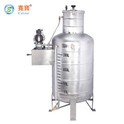
With the call of national environmental protection, for many enterprises, disorderly arrangement is not desirable. However, if it can both increase the efficiency of enterprises and respond to the call of the state, it is a matter of killing two birds with one stone. According to Xiaobian understanding, many enterprises began to use the relevant solvent recovery machine, many customers after the use of waste solvents after recycling treatment, the economic benefits are very significant, saving a lot of costs for enterprises.
At present, the solvent recovery machine is applicable to the following industries: auto parts, electronic products, painted gold jewelry, precision casting, hardware manufacturing, sports equipment, artificial leather, plastic products, paint chemicals, LED products, FRP products, tree limb footwear, LCD optical products, electroplating and spraying industries. So how to deal with the solvent recovery machine residue?
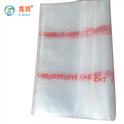
First of all, the high-temperature bag is used to clean the residue: before recycling, put the high-temperature bag into the bucket, and then pour the dirty solvent to be treated into the bag, after recycling, when the solvent recovery machine is lowered to room temperature, the residue is retained in the high-temperature bag, take away the support frame, take out the high-temperature bag, the residue is easily removed, simple and convenient. High temperature bag must be resistant to high temperature and solvent corrosion, wide treasure environmental protection equipment company has a supporting high temperature bag sales.
Secondly, the machine dumping discharge residue: when the solvent recovery is completed, turn off the solvent recovery machine, after the bucket residue and vapor drop to normal temperature, open the bucket cover, and then manually dump the whole machine about 120 degrees, the residue in the bucket depends on gravity outflow, if the residue in the bucket becomes solid or relatively thick, generally need to rely on other auxiliary tools to clean up.
Finally, there are two kinds of slag discharge: After recycling, open the door of the slag discharge port, the residue automatically flows out, when the residue becomes semi-solid or solid, you must rely on tools to slowly wash out the residue, the operation is more laborious, and it is not easy to clean up. This structure of the solvent recovery machine, the machine generally can not be dumped to clean up the residue, the biggest disadvantage is that there is a major safety risk of leakage of solvent, because the "door" of the slag discharge mouth, is to rely on plastic sealing gaskets to block the dirty solvent set aside, and during the recovery process, the solvent will often be at high temperature, accelerating the aging of the plastic sealing gasket. Generally used for two or three months will basically produce the phenomenon of solvent leakage.
In addition, the residue flows out through this "door", it is difficult to avoid not contacting the plastic sealing gasket, cleaning, the operator is slightly negligent, it will not clean up, accelerate the corrosion of the gasket, cause the machine to leak solvent, endangering the safety of the factory; After the solvent recovery is completed, the slag switch is activated, and the residue is automatically discharged. This slag discharge port does not use a plastic seal washer, and has a self-cleaning function, so there is no need for the operator to clean the slag discharge port. It is very convenient to use, and it is a unique technology of the solvent recovery machine.
Finally, whether it is from the cost of the enterprise or from the social responsibility, do not ignore the treatment of your solvent. Regarding waste solvent recovery, decomposition and recycling, this is a project that can reduce costs and reduce sewage discharge; It should be paid attention to and promoted.
Dec 04, 2023
Solvent Recovery Machine Manufacturers Take You To Understand How To Dispose Of Recycling Residue
Send Inquiry
Product Categories
Latest Products