Analysis of VOC Recovery Machine
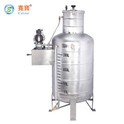
A VOC recovery machine refers to a complete set of equipment that uses physical methods (such as adsorption, condensation, etc.) to separate, purify and recycle volatile organic compounds (VOCs) in industrial waste gas. Its core objective is to "turn waste into treasure", converting what would otherwise be discharged pollutants into reusable resources.
Core application scenarios and equipment forms
Main application industries: VOC recovery machines are widely used in the petrochemical, fine chemical, pharmaceutical, printing, coating, electronic, rubber, and plastic industries to handle organic waste gas generated during the production process.
Typical equipment types:
Fixed-bed adsorption recovery device: Using activated carbon and other materials as adsorbents, it is one of the classic recovery devices.
Zeolite rotor concentration + combustion/recycling system: It is suitable for low-concentration and high-volume waste gas, and the waste gas is concentrated first before subsequent treatment.
Condensation recovery unit: Achieves efficient recovery through multi-stage condensation. For instance, by using single-compressor self-cascaded refrigeration technology, it can cool oil and gas to as low as -110℃.
Membrane separation recovery system: Often used as part of a combined process to enhance recovery efficiency.
Explosion-proof intelligent recycling machine: Specifically designed for environments with flammable and explosive risks, it features multiple safety protections and intelligent control functions.
How to choose the right VOC recovery machine for your enterprise?
Step 1: Analyze the characteristics of waste gas
The specific substances of VOCs in the exhaust gas (such as benzene, esters, alcohols, etc.) directly affect the choice of technical routes.
For waste gas with high concentration (>5000mg/m³) and having recycling value, condensation recovery can be given priority. For waste gas with medium and low concentration (<1000mg/m³), adsorption method or destruction technology is more suitable.
Exhaust air volume: For large volumes (>10,000 m³/h), it is usually necessary to be equipped with a concentration device (such as a zeolite rotor), while for small volumes, adsorption or condensation equipment can be directly selected.
Step Two: Align with environmental protection regulations
Emission standards vary by region and industry. It is essential to clarify local requirements to ensure that the equipment selected meets the emission limits (for instance, in some areas, the VOCs emission standard has been strictly set at ≤10mg/Nm³).
Step 3: Evaluate the technical and economic feasibility
Taking into account the initial investment of the equipment and the long-term operating costs (including electricity consumption, replacement of consumables, maintenance, etc.), a life-cycle cost analysis is conducted.
Step Four: Focus on Safety and Intelligence
Explosion-proof performance: When handling flammable and explosive VOCs, the equipment must have explosion-proof certification (such as Ex d IIB T4) and be equipped with safety protection devices such as over-temperature and over-pressure protection.
Intelligentization: Modern VOC recovery machines are mostly equipped with PLC control systems, supporting functions such as remote monitoring, one-button start and stop, and self-diagnosis of faults, which can significantly enhance operational efficiency and safety.