Technical Analysis of Xylene Recovery and Filtration Machine
The Xylene water recovery and filtration machine is essentially a type of explosion-proof distillation equipment. Its core working principle is not complicated: it takes advantage of the difference in boiling points between xylene (an organic solvent) and the contaminants within it (such as paint, resin, and oil stains), heats them to vaporize, and then cools the pure vapor to liquefy it, thereby obtaining clean regenerated solvent.
This technology is not only an environmentally friendly method for treating waste liquid but also an effective way for enterprises to reduce procurement costs. Usually, after cleaning spray guns or equipment, thinner is mixed with a large amount of impurities and cannot be reused. However, after being processed by the recycling machine, over 90% of the waste solvent can be transformed into clean solvent and reused.
Technical core: How to achieve regeneration
The entire recycling process is automatically completed in a sealed, explosion-proof designed device, mainly divided into the following four steps:
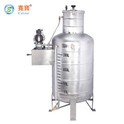
Heating and Evaporation: Pour the waste xylene into a double-layered stainless steel distillation tank. The interlayer of the tank is filled with heat transfer oil, which is heated by an explosion-proof electric heater. The heat transfer oil evenly transfers heat to the waste solvent, causing the xylene (with a boiling point of approximately 80.1°C) to reach its boiling point first and vaporize. The pollutants, having higher boiling points, remain at the bottom of the tank.
Separation and cooling: The generated thinner vapor enters the equipment's cooling system. Under the effect of the strong cold air from the fan, the high-temperature vapor rapidly condenses and reverts to liquid form.
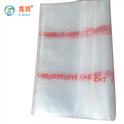
Collection and residue removal: Pure thinner flows out and can be directly collected and used. After heating, the residue at the bottom of the distillation bucket (such as viscous paint, resin, etc.) can be easily cleaned through the bucket's tiltable design or by using a disposable collection bag.
Automatic Control: The entire process is controlled by a microcomputer. The equipment will operate automatically according to the set temperature or time, and shut down automatically upon completion of the recovery process, eliminating the need for continuous human supervision.
Core Components and Technical Features
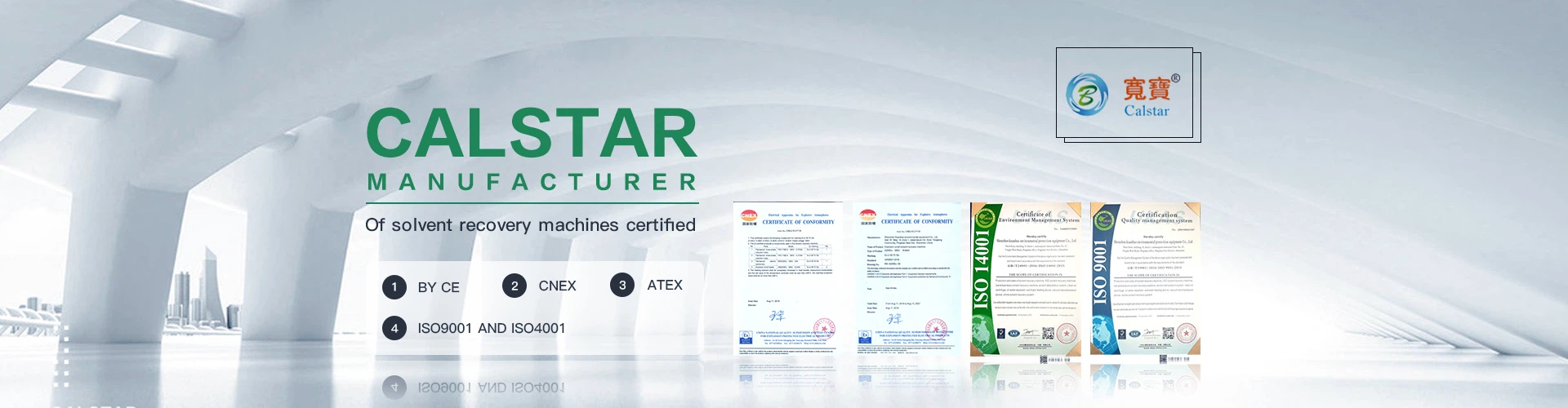
Explosion-proof Safety: This is the most crucial indicator. The entire machine must pass national explosion-proof certification (such as ExdIIBT6). All motors, electrical control boxes, and fans are explosion-proof to ensure no electrical sparks are generated.
Key Materials: Core components such as the distillation tank are made of SUS304 stainless steel, which has strong corrosion resistance. The double-layer tank body, in combination with indirect heating through heat transfer oil, prevents heating elements from directly contacting the solvent, enhancing safety.
Cooling Method: Generally, a wind cooling system is used, featuring built-in explosion-proof axial flow fans and all-copper or stainless steel condensers. No external cooling water is required, making installation and use more convenient.
Intelligent Protection: It is equipped with multiple automatic protection functions, such as over-temperature shutdown (to prevent dry burning), over-pressure relief (to prevent excessive pressure due to blockage), and timed/temperature-controlled shutdown.