1. Save a lot of solvent procurement costs
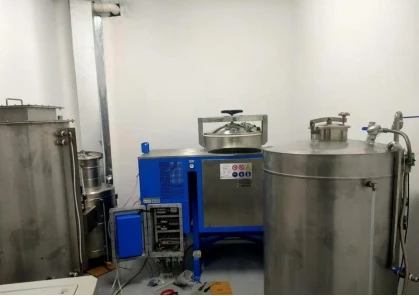
Heavy oil pollution cleaning, the solvent saturates and becomes dirty in a short time, and the entire tank must be replaced. By distillation, dirty solvents are separated from oil impurities, and regenerated solvents are recycled back to the cleaning tank for reuse. The purchase of new solvents can be significantly reduced, and customers with heavy oil pollution generally have a faster return on investment.
2. Stable cleaning quality and improved production efficiency
The concentration of dirty solvents and oil stains is high, the cleaning power decreases, the workpiece cannot be cleaned thoroughly, the surface hangs oil, and needs to be repeatedly soaked and brushed, which is time-consuming. The solvent after recycling and purification has restored its cleaning power, increased oil removal speed, and reduced rework rate.
3. Reduce hazardous waste and save high disposal costs
Heavy oil waste solvents contain a large amount of oil, iron filings, and impurities, and are classified as hazardous waste with high production and disposal costs. After recycling, the vast majority of solvents are regenerated and reused, and only a small amount of viscous oil residue is produced, significantly reducing the amount of hazardous waste transported outside.
4. Avoiding environmental and safety supervision risks
The inventory of heavy oil waste solvents is large, and any slight negligence in storage and transportation can easily be subject to environmental inspections. On site recycling and treatment on board, reducing the accumulation of waste liquid, improving the hazardous waste treatment ledger, and responding to daily inspections of environmental protection and safety supervision.
5. Reduce manual labor intensity
Frequent discharge of waste liquid from the tank, transportation of new solvents in barrels, and cleaning of oil sludge at the bottom of the tank require a large amount of manual labor. After the implementation of the solvent recovery system, the frequency of tank replacement and waste liquid removal has decreased, reducing the operational burden on workers.
6. Extend the service life of the cleaning tank
Long term immersion in dirty solvents can cause oil stains to deposit at the bottom of the tank, which can easily lead to scaling, corrosion, and cleaning of the tank body. Regularly recycle and filter dirty liquids, reduce oil sludge accumulation, delay tank corrosion and scaling, and lower maintenance costs for cleaning equipment.