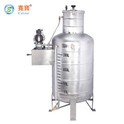
Common solvents for mold degreasing: white electrical oil, mold cleaning solution, IPA, trichloroethylene, acetone, thinners, etc. Most of these solvents are flammable, toxic, and expensive. Using a solvent recovery machine to distill and regenerate waste solvents for recycling offers significant advantages in mold cleaning scenarios
1. Cost aspect (the most straightforward)
1. Significantly reduce solvent procurement costs
Mold cleaning generates a large amount of waste solvents containing oil stains, release agents, and metal dust. After distillation by the recovery machine, clean regenerated solvents can be directly reused for mold immersion and spray degreasing. The general recovery rate can reach 80-95%, directly reducing the procurement of new solvents.
2. Reduce hazardous waste disposal costs
Spent solvents are classified as hazardous waste, and enterprises must pay for their disposal by hazardous waste companies. After recycling, only a small amount of residual oil sludge requires treatment, significantly reducing the volume of hazardous waste and lowering disposal costs.
3. Reduce comprehensive operating costs
There is no need to frequently purchase and transport large quantities of new solvents, reducing the labor required for storage, handling, and material requisition.
II. Safety Production and Environmental Compliance
Reduce on-site hazardous waste storage volume
A large amount of waste solvent has accumulated in the workshop, posing a significant safety hazard. The recycling machine processes the waste solvent in real time, preventing the workshop from storing excessive waste solvent drums and reducing the risks of fire and leakage.
2. Compliant with environmental protection regulations
Mold cleaning waste solvents are classified as hazardous waste, and their arbitrary dumping or discharge constitutes illegal activity. Closed-loop recycling ensures that waste solvents are not discharged externally, meeting the requirements of environmental impact assessments, safety supervision, and environmental protection inspections to avoid penalties.
3. Reduce VOC emissions in the workshop
Used solvents are no longer stored open for extended periods, reducing solvent evaporation, improving workshop air quality, and lowering the occupational health risks of employees inhaling harmful volatile gases.
III. Production Quality and Efficiency
The regeneration solvent exhibits stable cleaning performance
The solvent after distillation and purification removes mold oil stains, release agents, and metal dust impurities, achieving a cleaning standard that meets the process requirements for mold degreasing, cleaning, and pre-rust prevention treatments.
2. Continuous supply of cleaning solvent
It enables simultaneous cleaning and recycling, eliminating the need for factories to wait for hazardous waste removal and preventing production halts due to full solvent drums.
3. Reduce mold cleaning defects
If waste solvent saturated with oil contamination is used for mold cleaning, it will result in incomplete cleaning, oil film residue on the mold surface, and water marks. Clean recycled solvent prevents secondary mold contamination and reduces rework.
IV. Management and Corporate Advantages
1. Hazardous waste ledger is easier to manage
Only a small amount of distillation residue needs to be processed, reducing the types and quantities of hazardous waste, simplifying record-keeping, and facilitating environmental compliance checks.
2. Comply with green factory standards and achieve cost reduction and efficiency improvement
It belongs to recycling equipment, suitable for technical upgrades in injection molding, die casting, and stamping mold factories, with some regions offering subsidies for environmental protection equipment.

Aug 20, 2026
The Benefits Of Using Calstar Solvent Recovery Machines in The Mold Deburring Industry
Previous
Send Inquiry
Product Categories
Latest Products