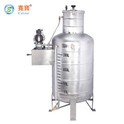
Heavy-duty metal (die-casting, casting, stamping, forging, large metal components, heavy-duty metal parts) cleaning involves extensive use of solvents such as white spirit, hydrocarbon cleaning agents, mold cleaning water, IPA, and trichloroethylene. After cleaning, the waste solvents are mixed with substantial amounts of heavy oil stains, cutting oil, die-casting release agents, metal iron and aluminum shavings, and casting slag. These waste solvents are classified as hazardous waste (HW06). A explosion-proof solvent recovery machine is employed for distillation and regeneration, tailored to the conditions of heavy-duty metal processing, with the following advantages:
1. Economic Benefits (Core)
1. Significantly reduce the procurement of new solvents
Heavy metalwork parts are heavily contaminated with oil, resulting in high solvent consumption. The recovery machine distills and separates the oil, metal dust, and impurities, allowing the regenerated solvent to be reused for soaking, spraying, and ultrasonic degreasing. The recovery rate is 80-92%, reducing the need for new solvent purchases by approximately 80%.
2. Significantly reduce hazardous waste disposal costs
The entire barrel of waste solvent was originally treated as hazardous waste for external disposal. After recycling, only a small amount of oil sludge and metal residues at the bottom required hazardous waste disposal, reducing the volume of hazardous waste by over 90% and significantly lowering disposal costs.
3. Reduce warehousing and manual handling costs
No need to store large quantities of waste solvent drums, reducing the workload of solvent procurement, transportation, and hazardous waste drum transfer, while minimizing storage space usage.
The solvent consumption in the heavy metal workshop is high, with most enterprises having a capital recovery period of 6 to 14 months for equipment investment.
II. Production Process and Product Quality
1. Avoid secondary contamination of workpieces and improve degreasing quality
If heavy metal components continue to be cleaned with waste solvents saturated with oil stains and metal dust, oil films and residual debris will form on the surface of the components, affecting the adhesion of subsequent electroplating, spraying, and baking processes, leading to rework or scrapping. Recycled pure solvents ensure oil removal cleanliness and reduce defective products.
2. Continuous cleaning process without interruption
On-site recycling eliminates the need to wait for hazardous waste disposal companies to transport it, and operations won't halt due to waste solvent drums being full.
III. Safety and Occupational Health
Reduce workshop safety risks
The heavy metal workshop often stores a large number of waste solvent drums, which poses a significant fire hazard. On-site solvent recycling machines handle the waste solvents, preventing the accumulation of large quantities of hazardous waste solvents in the workshop and reducing the risks of leakage and ignition. It is essential to select explosion-proof solvent recycling machines with complete safety features.
2. Reduce VOC emissions and improve the working environment
Waste solvents are no longer stored open for extended periods, reducing solvent evaporation, minimizing worker exposure to harmful gases, improving workshop air quality, and lowering the risk of occupational diseases.