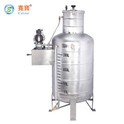
Ethyl acetate solvent recovery machine
I. Core Working Principle
The ethyl acetate recovery machine operates based on its physical properties (primarily the boiling point, approximately 77°C), and the core process involves distillation and condensation:
Heating evaporation: Heat the contaminated waste ethyl acetate solution above its boiling point. Ethyl acetate vaporizes, while the high-boiling-point impurities (such as resins, pigments, inks, oils, etc.) remain at the bottom of the container.
Condensation recovery: The vaporized pure ethyl acetate gas enters the condensation system, is cooled and re-condenses into a liquid state, and is collected in a clean storage tank.
Residue removal: After distillation, there will be a thick residue (hazardous waste) left at the bottom of the vessel, which needs to be cleaned regularly.
II. Key advantages
Significant economic benefits: The recovery rate is usually between 80% and 95%, directly saving a large amount of new solvent procurement costs.
Environmental compliance: Significantly reduces the production and handling costs of hazardous waste liquids (waste solvents), meeting environmental protection regulations.
Safety enhancement: Standardized recycling has reduced the risks associated with open storage and transportation of flammable and explosive solvents.
Resource recycling: Achieving the recycling of solvents, in line with the concepts of green manufacturing and sustainability.
III. Key Selection Points
When choosing an ethyl acetate recovery machine, please pay particular attention to:
Safety (primary):
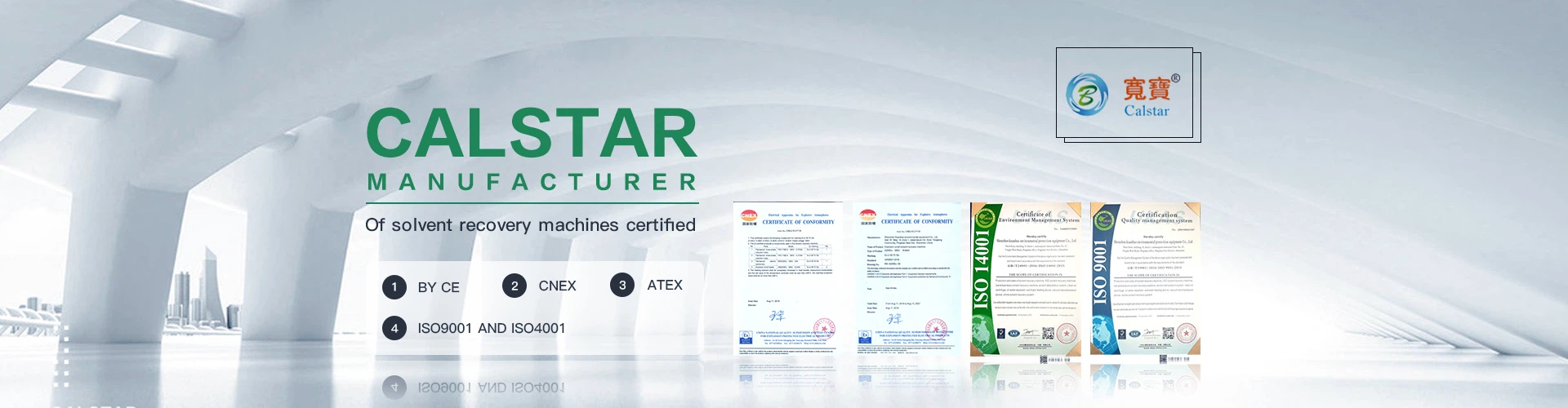
Explosion-proof certification: In environments where there is a possibility of explosive gases, it is essential to select explosion-proof models that comply with national standards.
Safety configuration: Check if there are over-temperature protection, over-pressure protection, power failure protection, anti-dry-burning measures, abnormal cooling water alarm, etc.
Material and Craftsmanship:
The parts that come into contact with the solvent (such as the inner tank, condenser, and pipelines) should be made of high-quality stainless steel (such as 304/316L), which is corrosion-resistant and durable.
The welding process should be excellent to ensure there is no leakage.
Capacity and Efficiency:
The capacity should be selected based on the average daily waste solvent volume. Generally, it is recommended to choose a model that is slightly larger than the daily processing volume.
Pay attention to the heating power and the area of the condenser, as they affect the recovery speed.
Degree of Automation:
Based on the budget and operational requirements, choose a manual, semi-automatic or fully automatic model. The fully automatic model is easy to operate, has good stability and requires less human intervention.
Brand and After-sales Service:
Choose reputable and established manufacturers to ensure the quality of the equipment and reliable after-sales services (installation, training, and maintenance).