NMP Recovery System
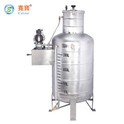
The NMP (N-Methylpyrrolidone) recovery system is a crucial environmental protection and energy-saving device in lithium battery production. As NMP is not only a valuable solvent but also an environmental pollutant, its recovery system has been included in the latest national industrial standards.
Why recover NMP?
In the coating process of lithium batteries, NMP serves as the solvent for positive electrode materials (such as PVDF adhesives), and after baking, it turns into waste gas emissions. There are three core values behind this:
Cost savings: NMP is expensive, and there is a huge gap in the supply of high-purity NMP raw materials. Efficient recovery can save a significant amount of procurement costs.
Compliance with environmental regulations: NMP has adverse effects on the environment. Reducing emissions and recycling can significantly reduce the carbon footprint of production.
Green carbon benefits: The demand for carbon reduction will increase in the future, and self-building a recovery system can help enterprises enter more stringent overseas markets.
Technical development trends
High purity and ultra-low emissions: By leveraging distillation technology and membrane separation technology, future NMP recovery systems will generally achieve a purity of over 99.9% and an ultra-low emission of less than 5mg/m³.
Intelligent and fully automated: Through the linkage with the PLC of the coating machine and the HMI human-machine interface, the system can automatically adjust according to the exhaust volume and upload key parameters such as NMP concentration and liquid level to the control room.
Deep integration and energy management: In the future, the system will deeply integrate the energy management system (EMS) of the battery factory and utilize the heat of the recovered liquid for a cascade utilization, forming a micro-energy network of heat, cold, and electricity supply.
New materials and new processes: New processes such as molecular sieve membranes and adjacent distillation towers will drive equipment towards smaller size, modularization, and integration, reducing the threshold.